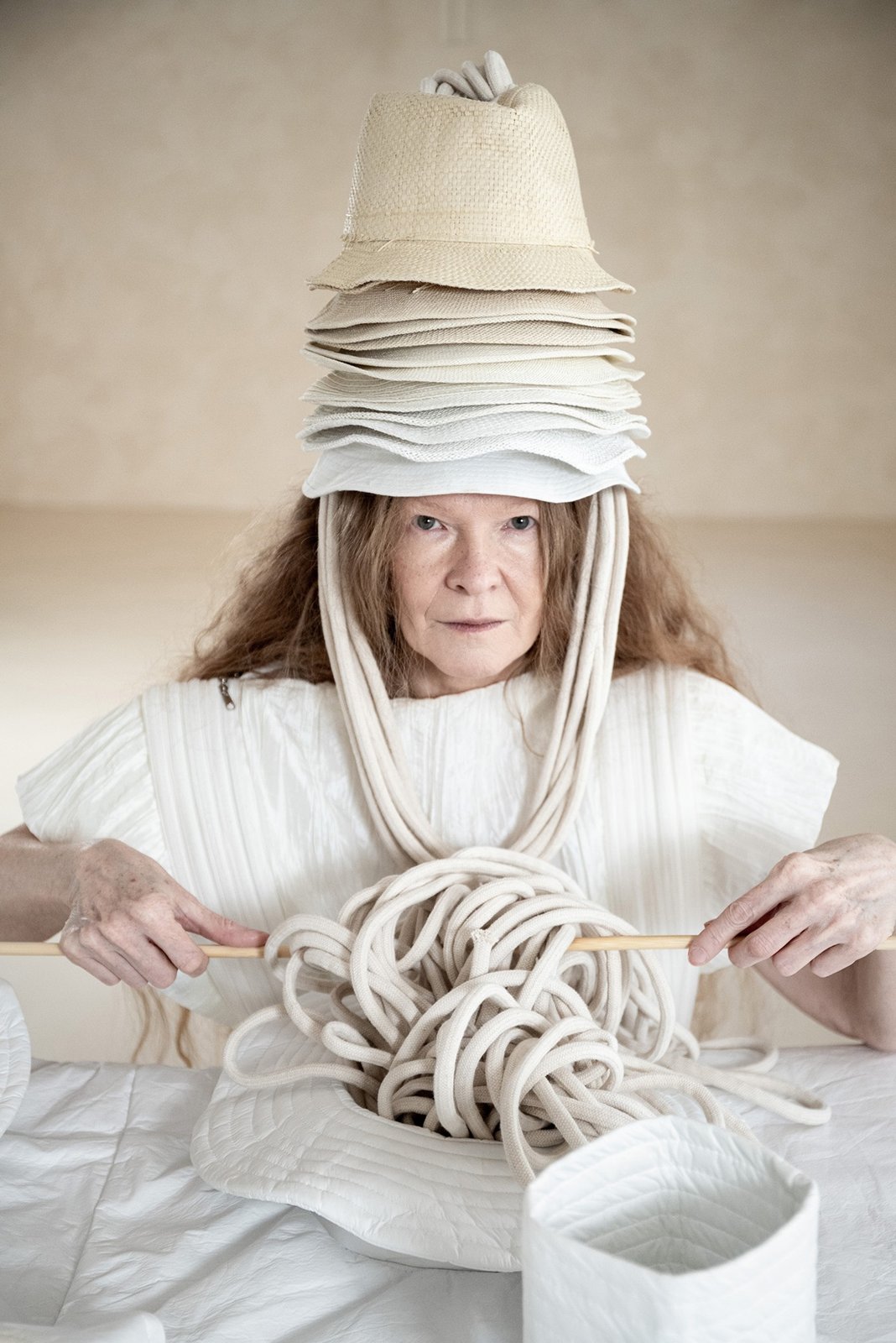
Open a DZHUS product page and the description reads like an instruction manual. Three ways. Six ways. Eight ways. A shirt turns into a dress, trousers zip into a jumpsuit, a kimono rearranges itself until it is something else entirely. Irina Dzhus calls her work multi-purpose clothing, and the idea behind it is simple: buy fewer things, and let each one do more.
A childhood plan
Dzhus has said she wanted to design clothes from the age of five, sketching over her grandmother's old fashion magazines. As a teenager in Kyiv she learned by watching the avant-garde designer Victoria Krasnova at work. She launched her own label in 2010. From the first day, the brand has used only cruelty-free materials, and in 2019 it won the Cruelty-free Fashion prize at Best Fashion Awards Ukraine. Back in 2015 it was short-listed for the International Woolmark Prize.
Patterns into patterns
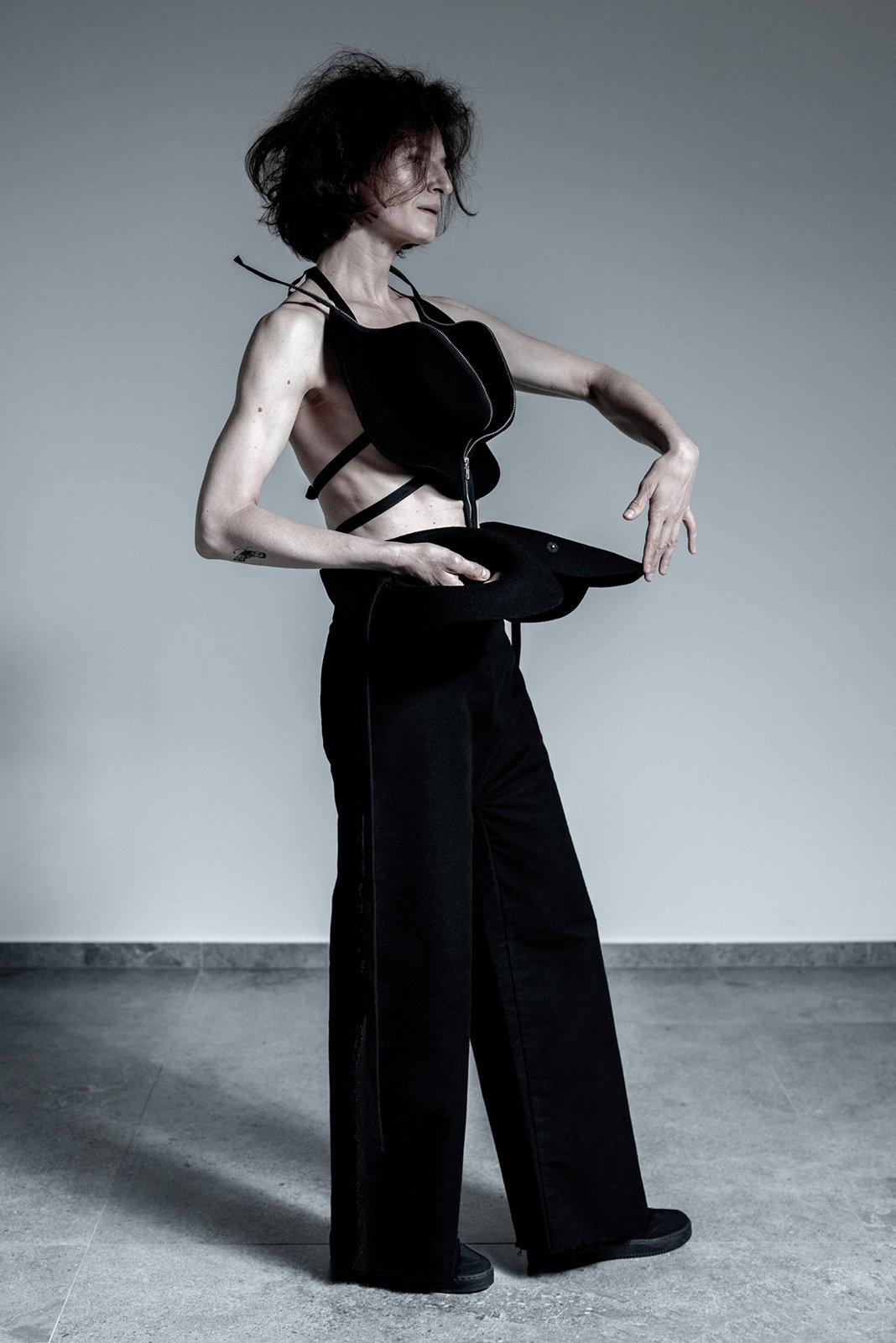
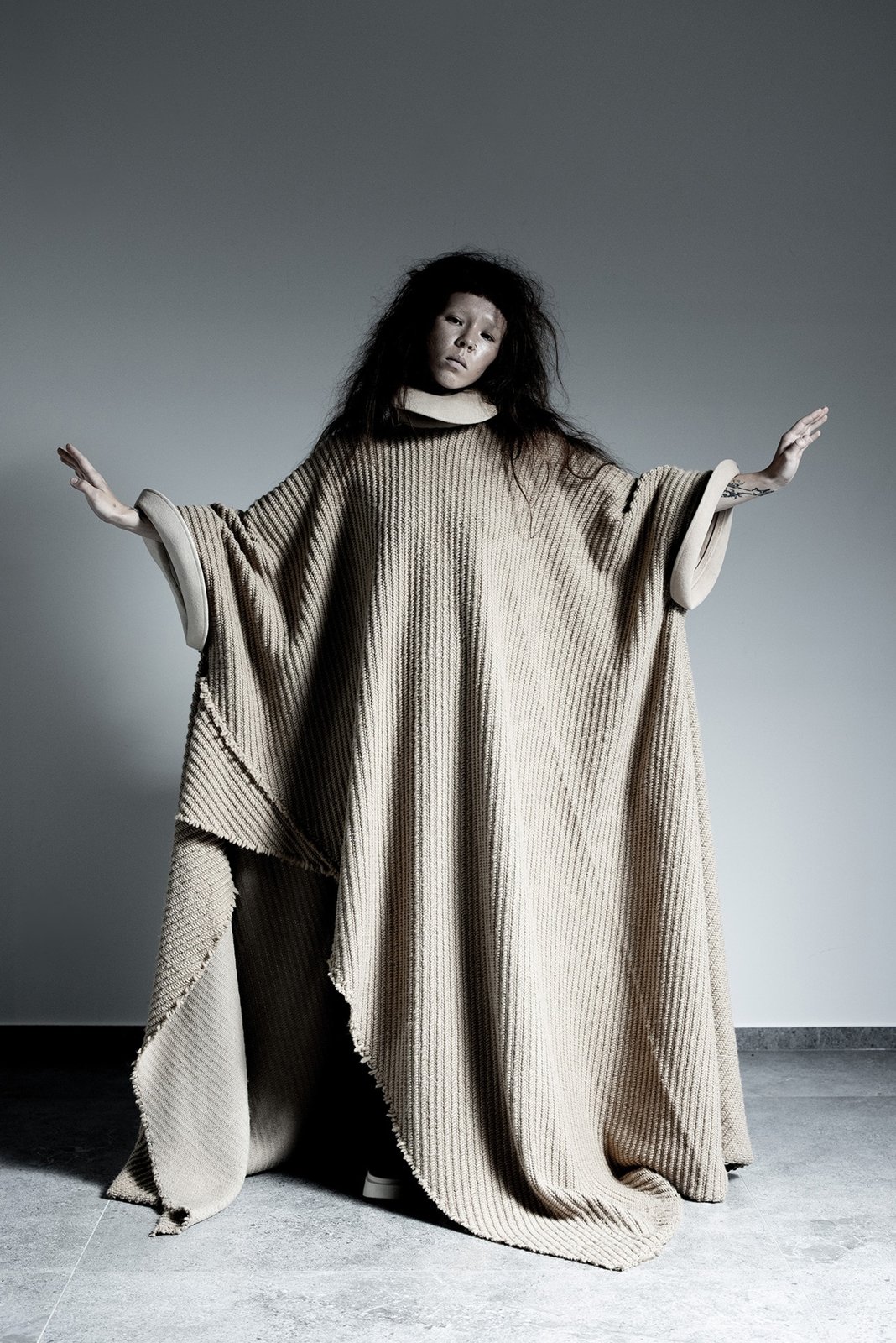
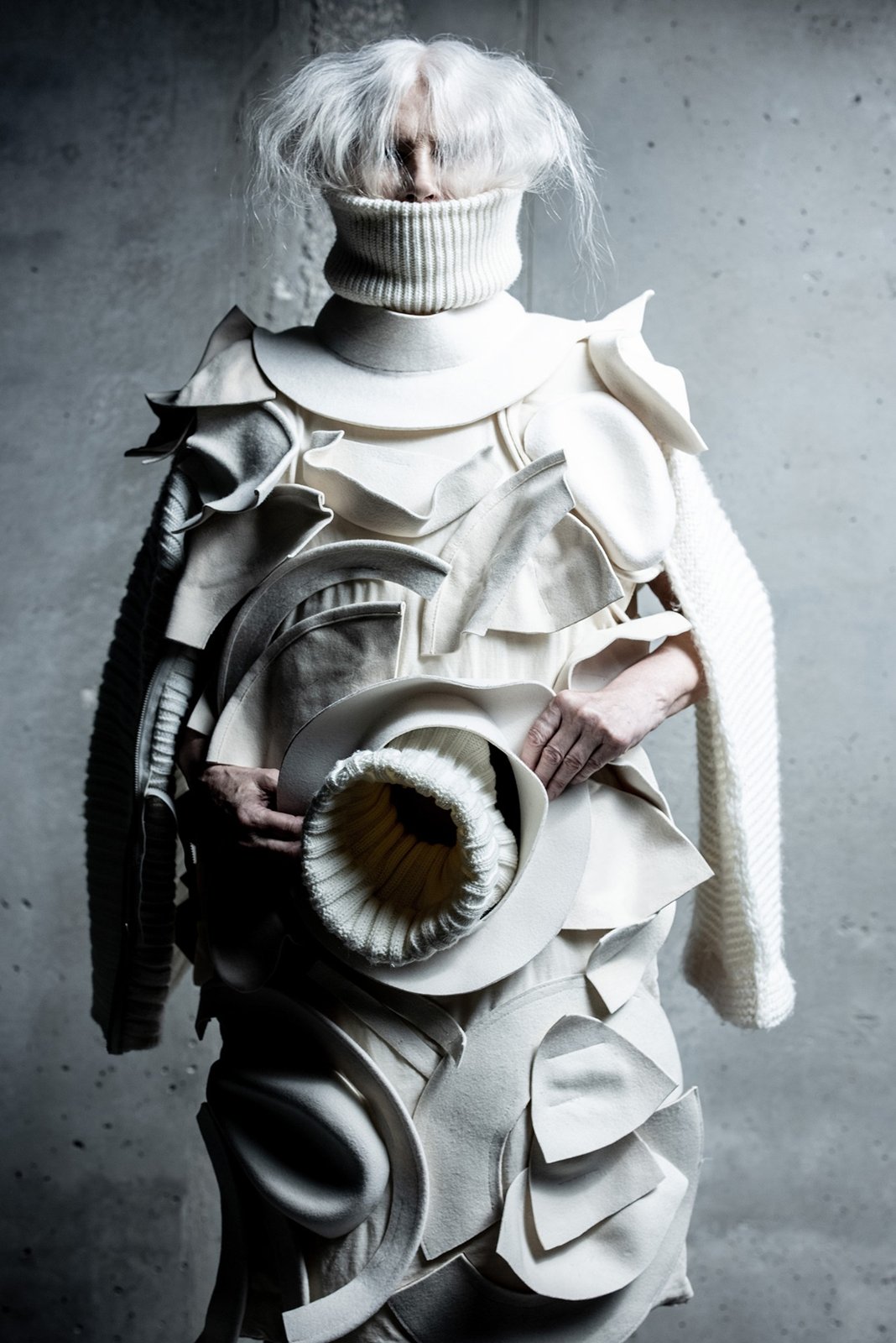
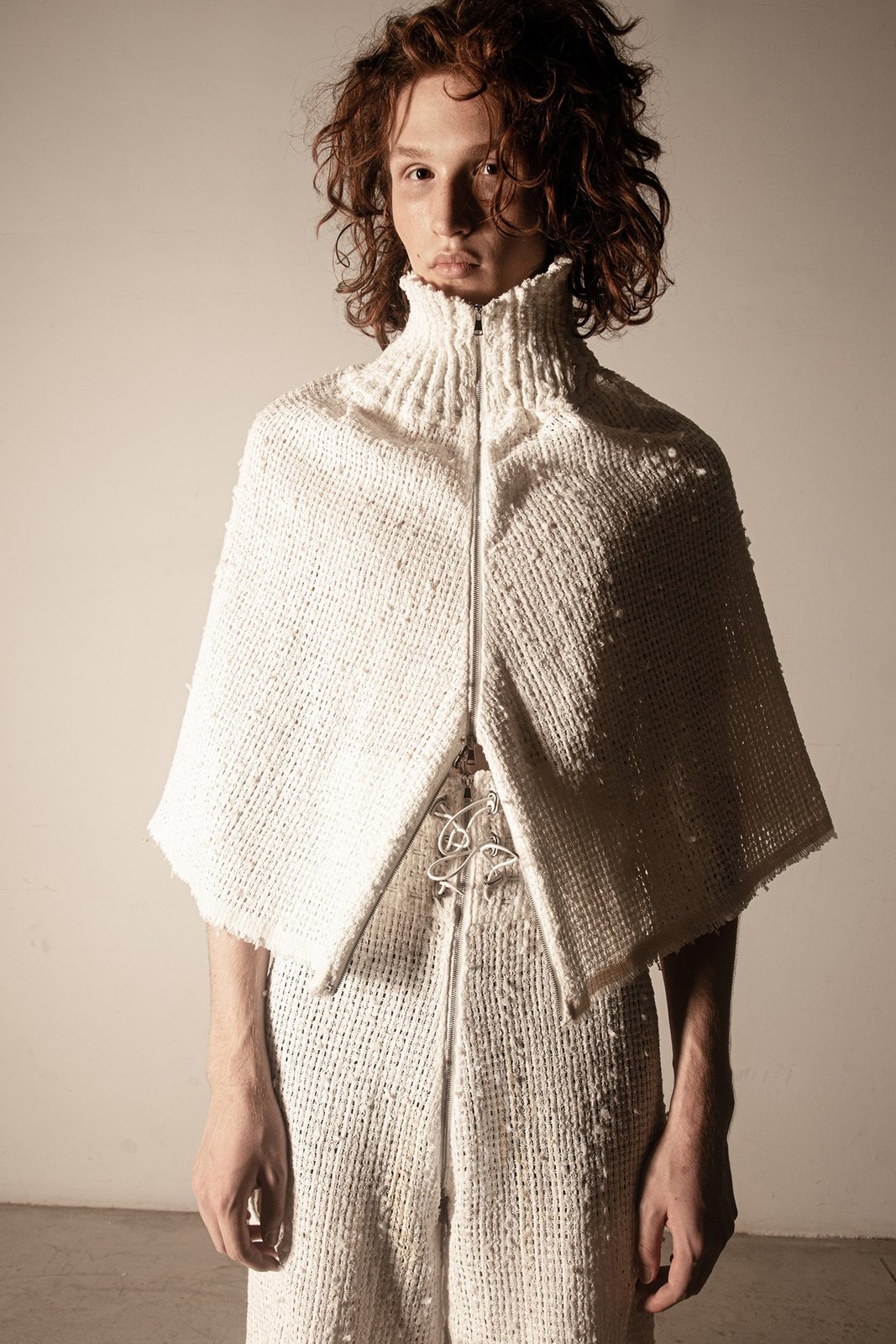
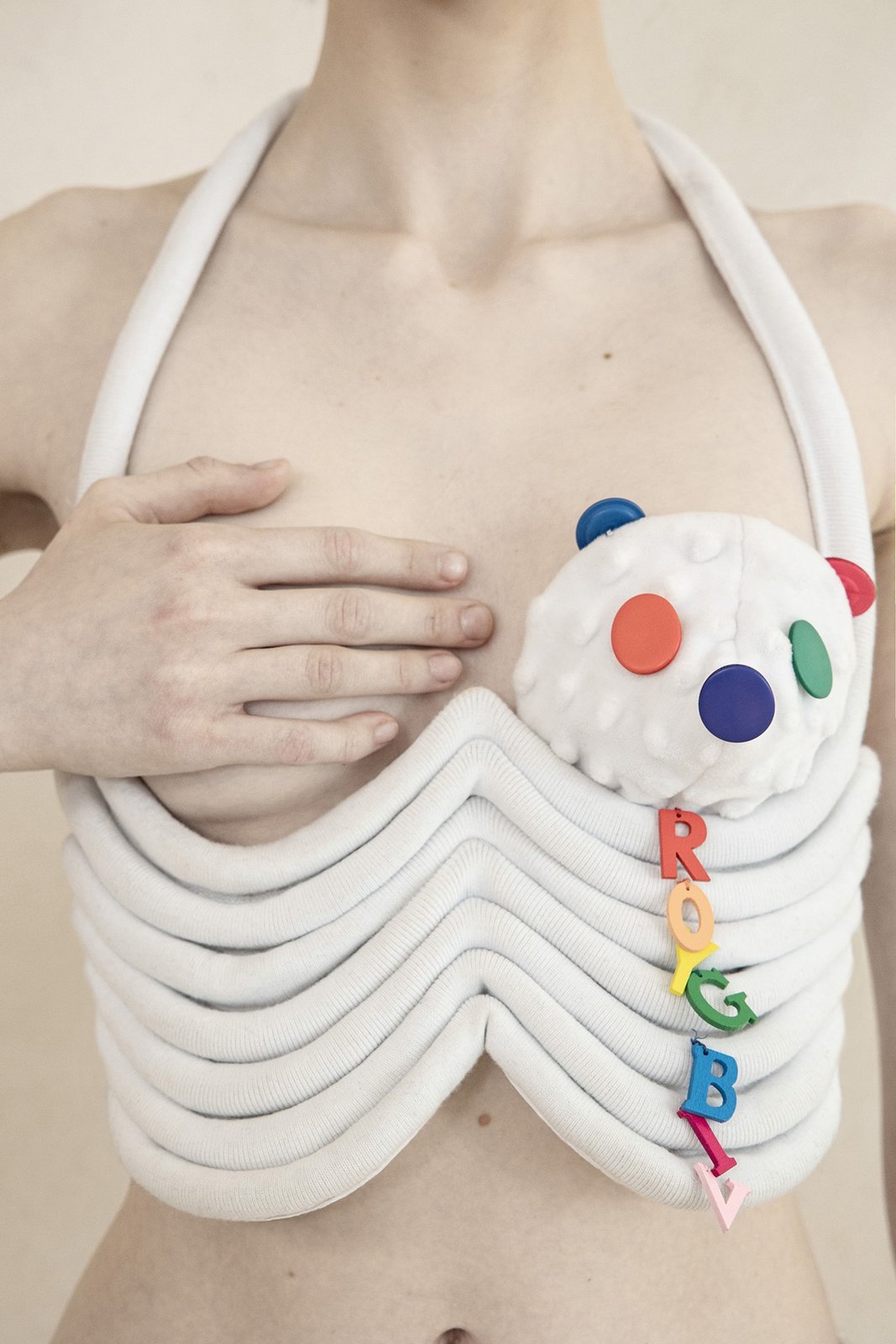
The brand describes Dzhus's work as translating patterns into patterns: the paper shapes of pattern-making become the language of the clothes themselves. Zippers, folds and seams are not hidden. They are how a piece changes. The GUIDELINE set, for example, is two identical parts that can be worn as shorts, a skirt, a sleeveless top or a headpiece, or zipped together into one longer garment. Many pieces started as womenswear but are cut with a unisex fit, and questions of gender and the body run through every collection.
From Kyiv to the runways
DZHUS has shown at Paris, Berlin, Milan Design Week, London's International Fashion Showcase and Ukrainian Fashion Week, and is stocked by concept stores from Japan to the USA. Its clients have included the musician Zola Jesus and Jamala, Ukraine's Eurovision 2016 winner. The ANTICON collection, shown in Berlin, turned the designer's own escape from the war into an almost all-white wardrobe, with rainbow colour hidden in pockets and linings.
Ethics you can wear
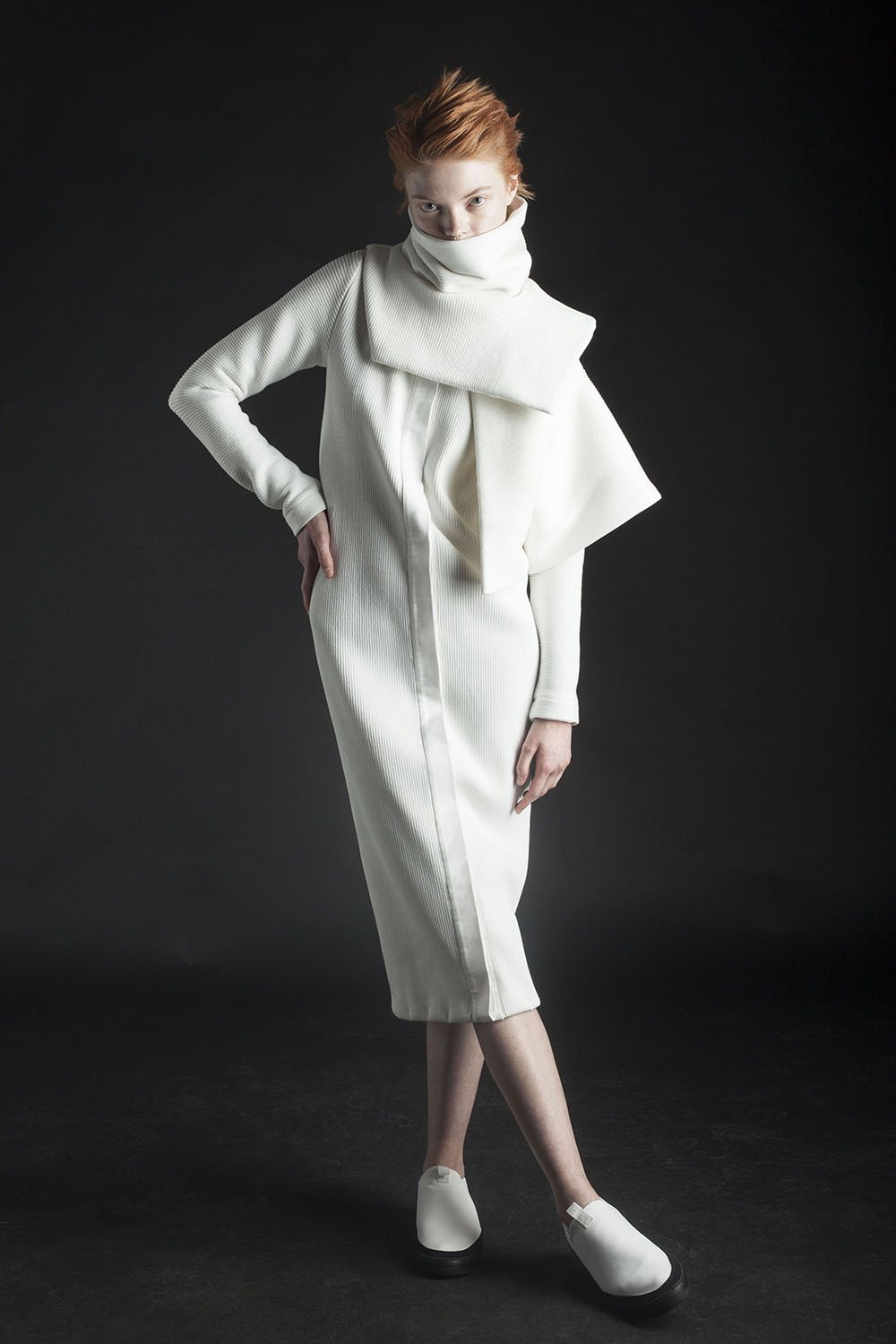
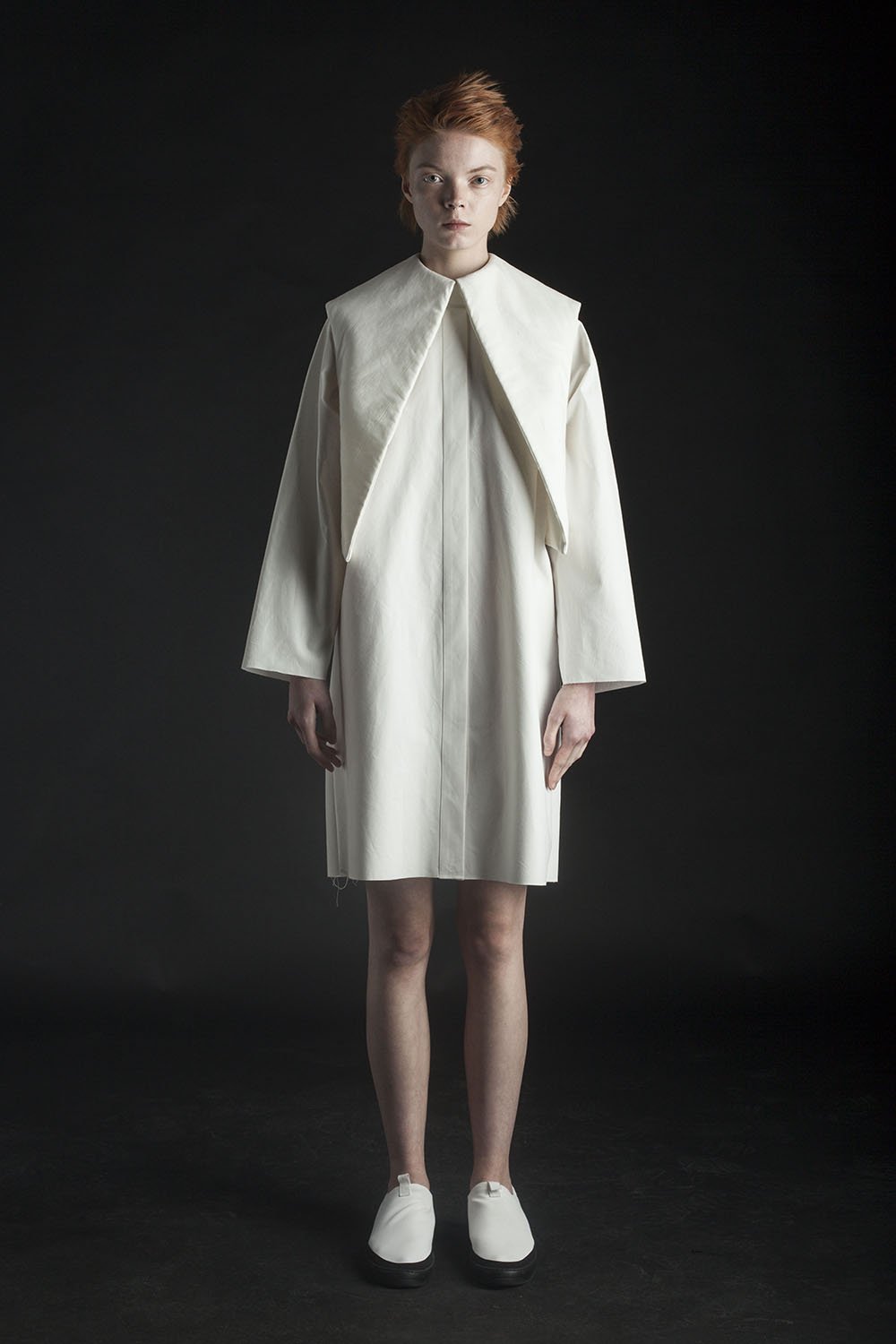
Since the full-scale war began, DZHUS has moved production to the EU and donates 30 percent of its profit to Ukrainian animal rights organisations. That detail fits the rest of the brand. Clothes that change shape mean fewer purchases. Materials without animal products mean fewer compromises. Follow @dzhus.conceptual.wear to watch a single piece become three or four different outfits in a few seconds.